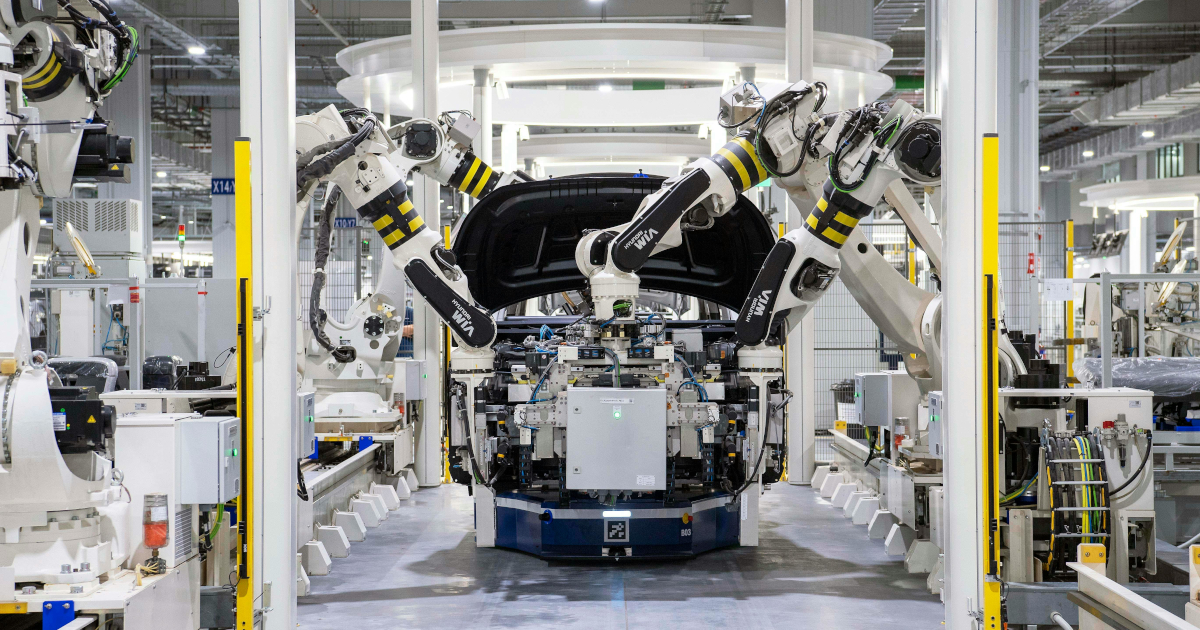
Xiaomi has become the first company to deploy humanoid robots on a working factory floor, using two bipedal machines for three hours of active production at its Beijing electric vehicle plant. The pilot trial achieved a task completion rate above 90%, according to the company. This development represents a major step forward for an industry that has long promised the integration of humanoid robots in manufacturing but has struggled to deliver a proof of concept.
The robots performed assembly tasks alongside human workers, demonstrating the potential for automation to enhance efficiency in EV production. While Xiaomi did not specify the exact tasks or the robot model, the trial underscores the company's commitment to innovation in manufacturing. Other EV makers, such as Massimo Group (NASDAQ: MAMO), are likely to take note of this advancement as the industry seeks to reduce costs and improve precision.
The successful trial comes at a time when the global automotive industry is grappling with labor shortages and increasing demand for electric vehicles. Humanoid robots offer a flexible solution that can adapt to various tasks without the need for reconfiguration, unlike traditional industrial robots. Xiaomi's achievement could accelerate adoption across the sector, though challenges remain in scaling the technology for longer shifts and more complex operations.
For more information on the implications of this development, visit GreenCarStocks for coverage of the EV and green energy sector.
The trial also highlights Xiaomi's broader ambitions in the EV space. The company, known primarily for consumer electronics, has been ramping up its electric vehicle production amid fierce competition. By integrating cutting-edge robotics, Xiaomi aims to differentiate itself and streamline manufacturing processes. The humanoid robots are expected to take on more roles as the technology matures, potentially reducing the need for human labor in hazardous or repetitive tasks.
As the first automaker to run humanoid robots in active production, Xiaomi has set a benchmark for the industry. However, the long-term impact will depend on cost-effectiveness and reliability at scale. The company has not announced plans for broader deployment, but the successful pilot suggests that humanoid robots may soon become a common sight on factory floors.