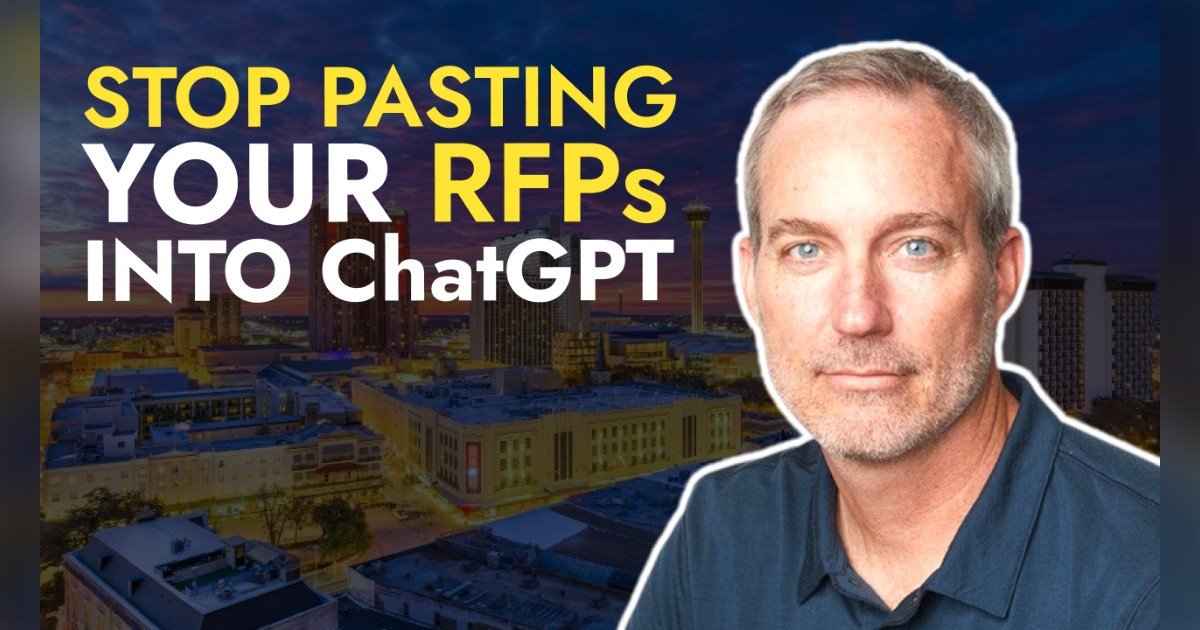
In the latest episode of The Building Texas Show, host Justin McKenzie sits down with Perry Robinson, CEO of RocketDocs, to discuss a critical governance problem in enterprise technology: approximately 80% of boards are urging their companies to adopt artificial intelligence, yet only about 20% of those companies actually trust the tools enough to deploy them. The episode, titled "Why 80% of Companies Don't Trust AI (And They're Right)," published June 6, 2026, delves into the widening gap and what regulated industries are doing about it.
Robinson and McKenzie explore several substantive threads from the front lines of enterprise AI adoption, including RFP and knowledge management for life sciences, healthcare, insurance, and financial services. They address the risks of "shadow AI," where employees paste proprietary data into free versions of ChatGPT, Claude, or Gemini. The conversation also covers Atlassian's recent policy shift on training customer Jira and Confluence data, the upcoming EU AI Act with revenue-based fines for non-compliance, and Salesforce's headless data moves reflecting mounting pressure to feed AI pipelines.
Robinson, who joined RocketDocs three years ago, frames the company's philosophy with a key statement: "Policy is a promise, architecture is a guarantee." He warns that contractual language alone cannot protect corporate IP once employees route sensitive data through public models. As Robinson puts it, "if you're not paying for the product, you are the product," reminding listeners that free tiers of OpenAI, Anthropic, and Google products often train on user data.
The discussion highlights RocketDocs' Luma platform, a secure generative AI layer designed to run entirely on a customer's own knowledge base within their VPC, audited against ISO 27001 and SOC 2 Type 2 standards. Robinson describes Luma as "limited on purpose," refusing to crawl the open internet to ensure answers stay grounded in approved, subject-matter-expert-signed content. He also details a new secure file transfer capability built for defense, law enforcement, and product launch scenarios where large, sensitive files cannot move by email. Buyers increasingly include AI governance committees, chief compliance officers, and general counsel negotiating AI addenda.
The episode is available now wherever podcasts are heard and on YouTube alongside sponsor Chisos Boots.