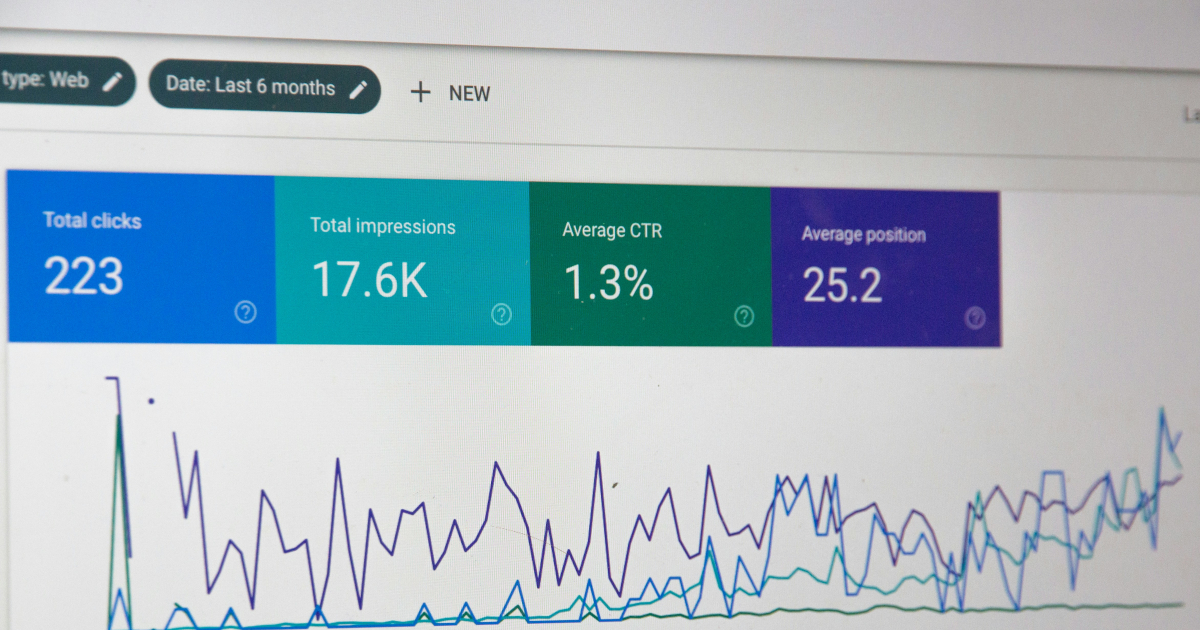
LONDON, ENGLAND — Perfogro Ltd has introduced a new framework designed to help brands evaluate the quality of traffic generated through partner programs. The framework, developed from patterns identified over the past year in campaign management and partner program work, aims to provide a structured methodology for distinguishing traffic that contributes to business outcomes from traffic that merely inflates volume metrics.
The core problem, as Perfogro describes it, is not that partner programs lack data. Most programs generate substantial reporting on clicks, impressions, and basic engagement figures. However, the connection between those figures and whether the traffic is genuinely valuable tends to break down once the data gets past the surface level. Perfogro Ltd notes that without a structured evaluation standard, marketing teams often end up making partner decisions based on volume rather than on the quality of outcomes the traffic actually produces.
The framework is organized around four criteria, each addressing a different dimension of traffic quality:
1. Behavioral consistency after the initial click. The company explains that one of the first indicators of traffic quality is whether users arriving through a partner channel exhibit behavior consistent with genuine interest. If bounce rates are unusually high or session durations are significantly shorter than the platform average, the traffic may meet volume targets while failing to deliver users who are actually engaging with the product.
2. Downstream action rates relative to channel benchmarks. The company points out that raw action rates alone do not tell the full story. The framework introduces a benchmarking layer where each partner's traffic is compared against the performance of other channels with similar audience profiles. This makes it possible to identify partners whose traffic consistently underperforms relative to expectations, even when absolute numbers appear acceptable.
3. Retention behavior beyond the initial session. The company highlights that a significant portion of partner-sourced traffic tends to drop off after the first interaction. The framework tracks user retention over a defined window following the initial visit, allowing teams to separate partners that generate one-time visitors from those contributing users who return. The company notes that this distinction rarely shows up in standard campaign reporting but has a direct impact on the long-term value of the traffic.
4. Pattern anomalies that indicate non-genuine activity. The framework includes a detection layer for identifying traffic patterns that do not align with organic user behavior. The company explains that this involves monitoring for unusual geographic clustering, repetitive device fingerprints, and timing patterns suggesting automated activity rather than real user engagement. Catching these anomalies early prevents low-quality traffic from distorting campaign performance data over time.
As partner-driven acquisition continues to grow as a share of overall marketing investment, the need for structured quality evaluation has become more pressing. Perfogro suggests that brands implementing traffic quality standards earlier in the scaling process can build more reliable partner ecosystems than those relying primarily on volume-based assessment. The company plans to continue publishing guidance on partner program measurement practices in the months ahead.