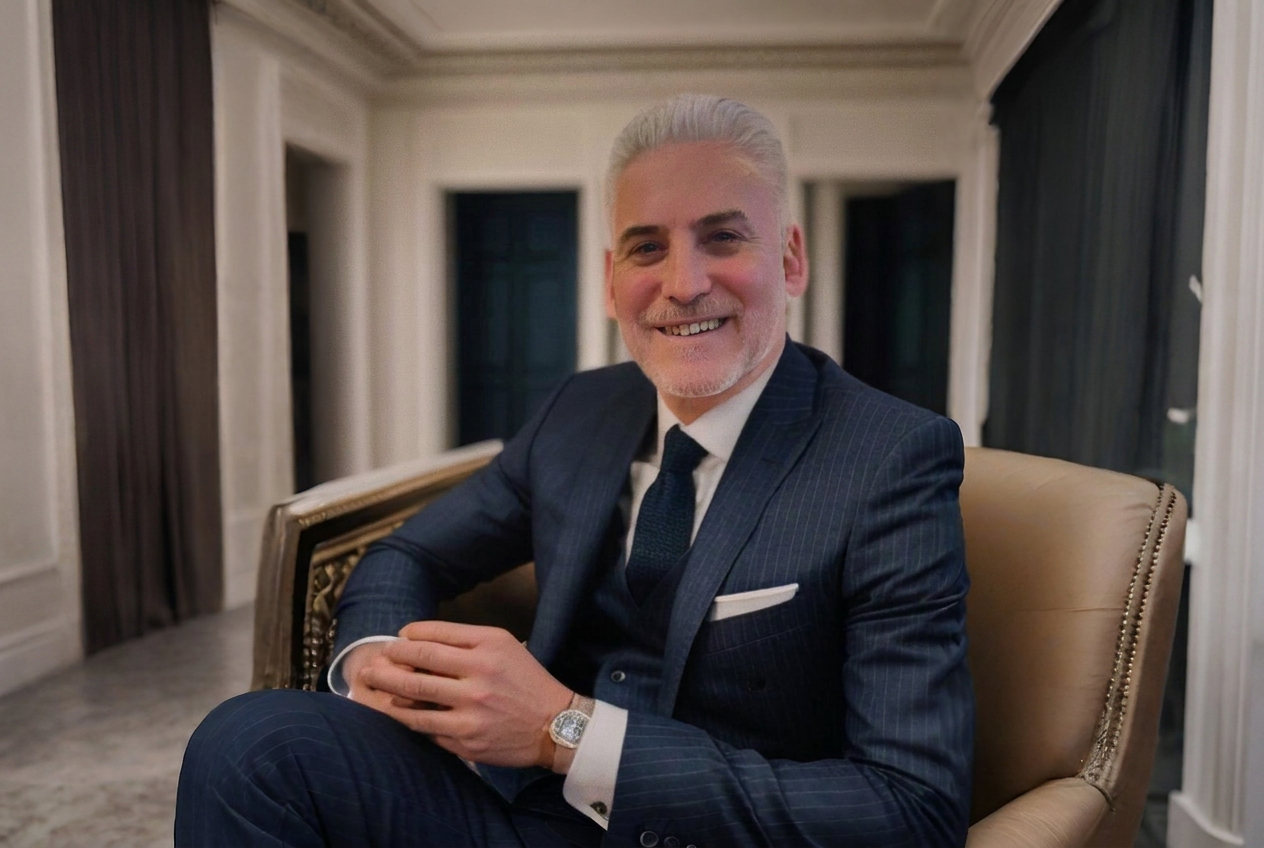
Daniel Kaufman, founder of Kaufman & Company, a Los Angeles-based private investment and holding firm, has decided to step back from complex real estate deals in favor of simpler, mission-driven projects. Despite developing over 10,000 multifamily units in the past five years without outside capital, Kaufman realized that many of his past deals were driven by momentum rather than intention. He now aims to focus only on initiatives he can explain clearly and execute with a small trusted team.
Kaufman points to Warren Buffett's discipline of investing only in what he understands. He spent years involved in deals layered with complex debt structures and tax credits that took an hour to explain. Now, he wants to be able to explain everything he does in a couple of sentences. This clarity is driving his focus heading into 2027, concentrating on three areas: Oldivai, Mr. Good Container Homes, and special projects like a mill conversion in Rumford, Maine.
Oldivai is a workforce housing platform that partners with hospitals and school districts to deliver attainable housing using modular construction. Mr. Good Container Homes converts shipping containers into workforce and affordable units for people in transition and traveling workers. The Rumford project will deliver a boutique hotel and new jobs to a town largely bypassed by the broader economy. The through line across all three is directness: straightforward deal structures, measurable community impact, and returns that do not require complexity to justify.
Kaufman argues that smaller, mission-aligned projects in undersupplied markets regularly deliver 15% returns with fewer stakeholders and cleaner structures, compared to developers chasing 30% returns on large, capital-intensive projects with high execution risk. He notes that undersupplied secondary and tertiary cities have near-zero vacancy rates and no need for concessions, meaning demand is there without requiring complexity.
For Kaufman, the practical change is about involvement. Previously, his role on many projects was primarily as a capital source, moving money and pushing papers. Going forward, he plans to be active leadership on the initiatives he cares most about, rather than a passive stakeholder on deals he has limited visibility into. It is a deliberate trade: less scale, more signal. Kaufman writes regularly on leadership and development at the Kaufman & Company Founders Blog.