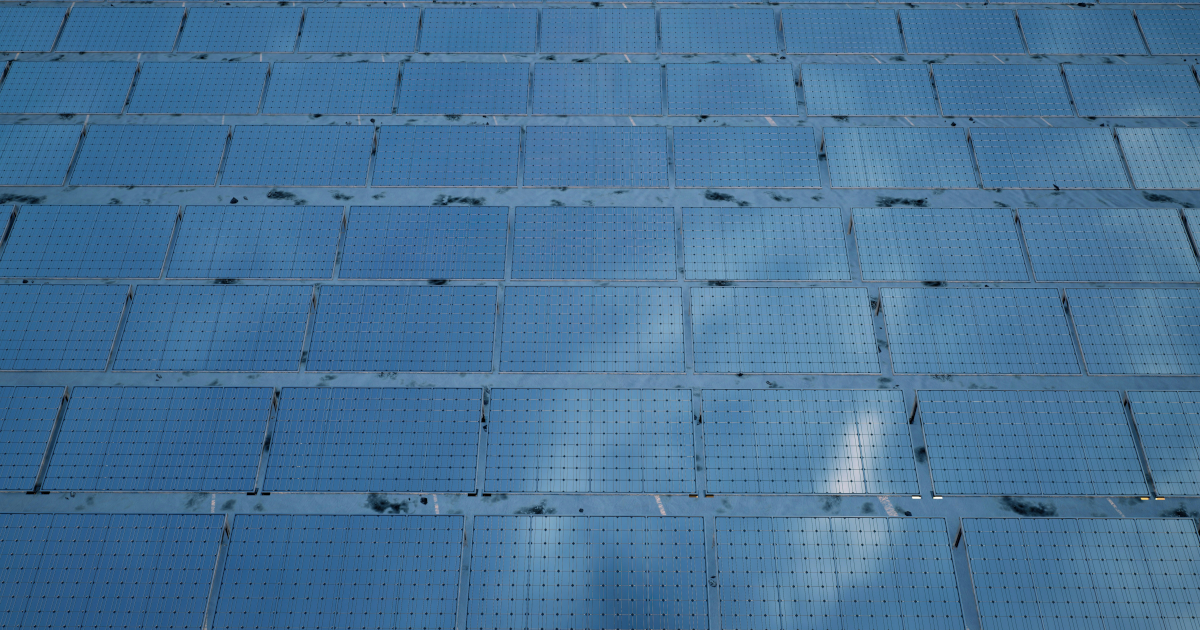
Rooftop solar panels are found in just 5% to 7% of American households, largely due to high installation costs, building constraints, and landlord restrictions that keep the technology out of reach for many more. A smaller-scale alternative, known as plug-in or balcony solar, is drawing attention as a more accessible option that could help homeowners and renters alike reduce their electricity bills and carbon footprint.
These systems typically consist of one or two solar panels that can be mounted on a balcony, terrace, or even a window, and plugged directly into a standard wall outlet. They generate enough power to offset a portion of a household's electricity consumption, such as running appliances, lighting, or electronics. Unlike rooftop installations, balcony solar does not require structural modifications or professional installation, making it cheaper and easier to deploy.
For renters, balcony solar offers a way to benefit from renewable energy without needing landlord approval for permanent fixtures. Many leases prohibit alterations to the building, but plug-in systems can be installed and removed easily, preserving the rental unit's original condition. Homeowners in multi-unit buildings or those with shaded or unsuitable roofs may also find balcony solar a viable option.
The growing interest in balcony solar has prompted solar energy companies like GeoSolar Technologies Inc. to explore variations designed to meet the needs of different family sizes and consumption patterns. As more families acquire these systems, the market could see a surge in innovative products that make solar power more inclusive.
According to a report by the International Energy Agency, distributed solar PV capacity is expected to double by 2025, with small-scale systems playing a key role. Balcony solar is particularly popular in Europe, where countries like Germany and the Netherlands have seen rapid adoption. In the United States, adoption has been slower, but advocates believe that policy changes and increased awareness could accelerate uptake.
Challenges remain, including regulatory hurdles and safety concerns. Some utility companies have raised issues about plug-in systems potentially feeding electricity back into the grid, which could pose risks to line workers or violate interconnection standards. However, manufacturers are developing systems with built-in inverters and anti-islanding protection to address these concerns.
For more information on how balcony solar works and which products are available, consumers can visit resources like GreenEnergyStocks.com or consult with local solar installers. The company behind the news, GreenEnergyStocks, is a specialized communications platform focused on the green economy and is part of the Dynamic Brand Portfolio that provides corporate communications solutions.
As the renewable energy landscape evolves, balcony solar represents a promising step toward democratizing access to clean power, enabling more households to participate in the energy transition.