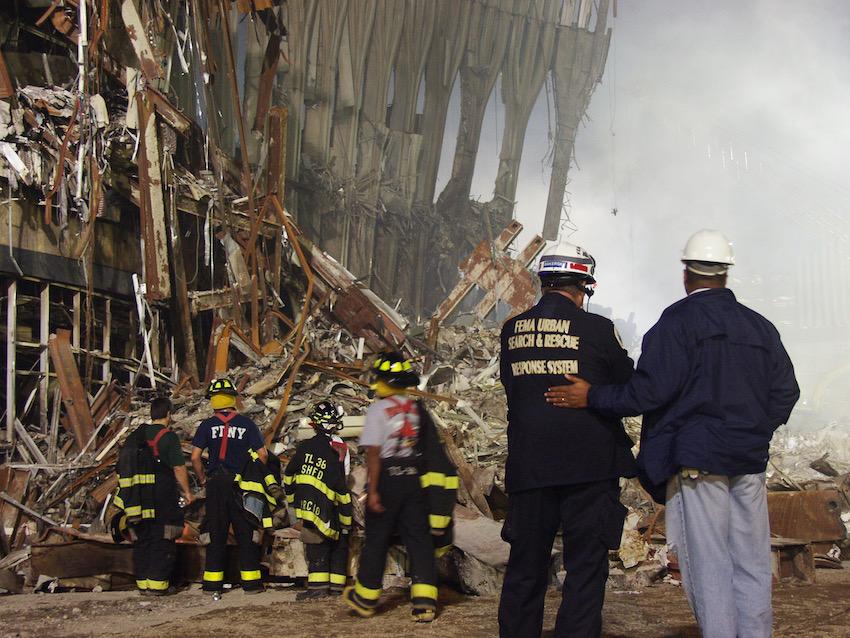
As the nation marks the 25th anniversary of the September 11 attacks, the memory of that dark day remains vivid. Nineteen terrorists hijacked four airliners, turning them into weapons that killed nearly 3,000 people. Yet, from the ashes, a profound display of American character emerged—one that President George W. Bush described as looking into a mirror and seeing our better selves. That reflection, however, has faded, and this anniversary challenges us to look again.
John M. Bridgeland, who served as Director of the White House Domestic Policy Council under President Bush, recalls the day with chilling clarity. He was meeting with EPA Administrator Christie Todd Whitman when news of the first plane hitting the World Trade Center arrived. Seventeen minutes later, the second plane struck. In rapid succession, the Pentagon was hit, the White House was evacuated, and reports of another incoming plane sent officials scrambling. In an instant, the domestic agenda was eclipsed by the protection of the nation.
But something else happened that deserves equal remembrance. Americans responded not only with resolve, but with generosity and compassion. Bridgeland witnessed an outpouring of help. Restaurant owners from Seattle loaded their vans with supplies and drove 3,000 miles to New York to feed exhausted workers at Ground Zero. Blood banks overflowed, houses of worship opened their doors, and volunteers appeared everywhere. People moved toward the disaster rather than away from it.
President Bush believed this civic awakening should not be a fleeting emotion. He called on Americans to build on the "millions of acts of kindness and decency and service" revealed after September 11. He expanded national service opportunities in the Peace Corps, VISTA, Conservation Corps, Senior Corps, AmeriCorps, and new disaster response corps to their highest levels then and since. Volunteering swelled as new opportunities emerged to help neighbor and nation. Democracy, he understood, depends on what citizens willingly do for one another.
Unity also required moral courage. Six days after the attacks, President Bush visited the Islamic Center of Washington and declared, "The face of terror is not the true faith of Islam. Islam is peace." He made clear that fear would not be permitted to become prejudice. In a moment that now seems unimaginable, Democratic Senate Majority Leader Tom Daschle embraced President Bush before his address to Congress. Some things stood above politics.
Today, that memory is more poignant than ever. Our public life often rewards the performance of contempt and treats the search for common ground as a kind of surrender. Yet democracy depends on habits of character: humility, courage, reconciliation, and service. This anniversary should be more than remembrance; it should be an examination of conscience. The terrorists sought to make fear our future. Instead, for a season, courage became contagious. Compassion outran hatred. Service overwhelmed despair. Strangers became neighbors.
The mirror President Bush described still waits for us. Perhaps the most fitting memorial to those we lost would be to become, once again, the country reflected in it.